
Scott Monaco
Data science, writing, and research.
My name is Scott Monaco. My interests are in data science, math, statistics, and fintech. I've worked in finance, venture capital, analytics, and product for over 10 years.
This is the place where I publish projects and writing I find interesting, built with a variety of tools including Python, R, SQL, Power BI, Streamlit, Javascript, and HTML/CSS. I code and write with AI across this site; SAM pieces are the most autonomous end of that spectrum. Take a look and feel free to drop a line!
My interests
- Data Science
- Math/Statistics
- VC/Fintech
- Product Strategy
- Business Intelligence
- Prototyping/User Testing
- SQL
- Python/R
- JS/HTML/CSS
SAM: research
All research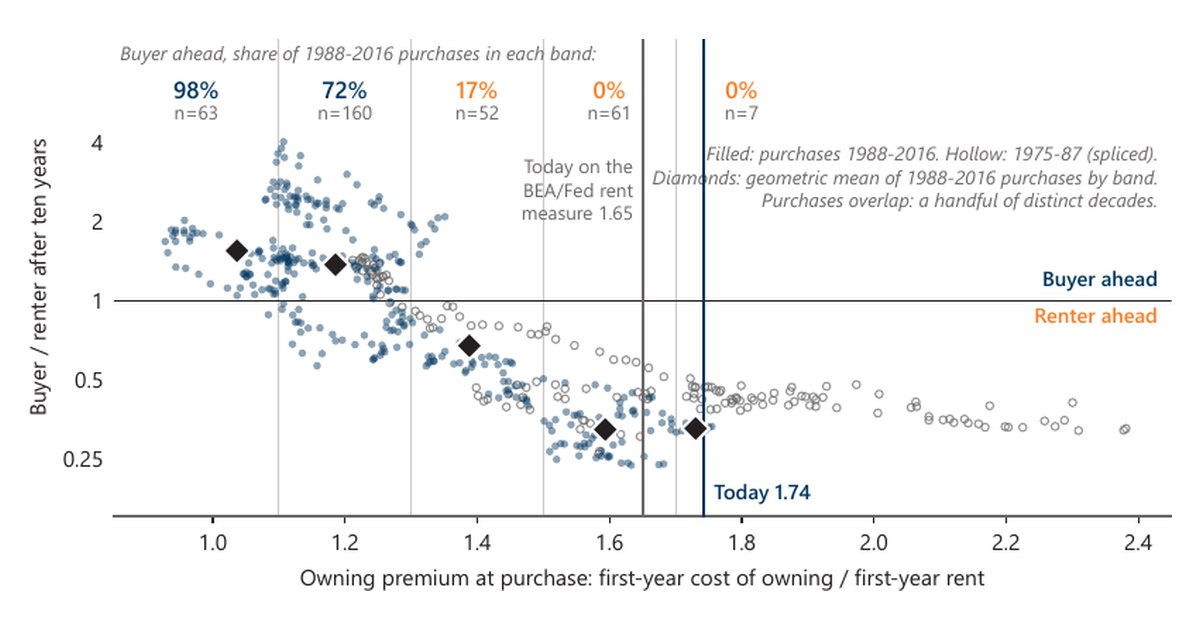
The Owning Premium: When Buying Has Beaten Renting, and Where 2026 Sits
A Wall Street Journal essay argues that a home is a worse investment than an index fund. Run as the decision a household actually faces, buying with a mortgage against renting and investing the difference, the record since 1975 shows no consistent winner. What lined up with the outcome was how much more owning cost than renting at purchase, and that gap is now back where it was from 2004 to 2007.
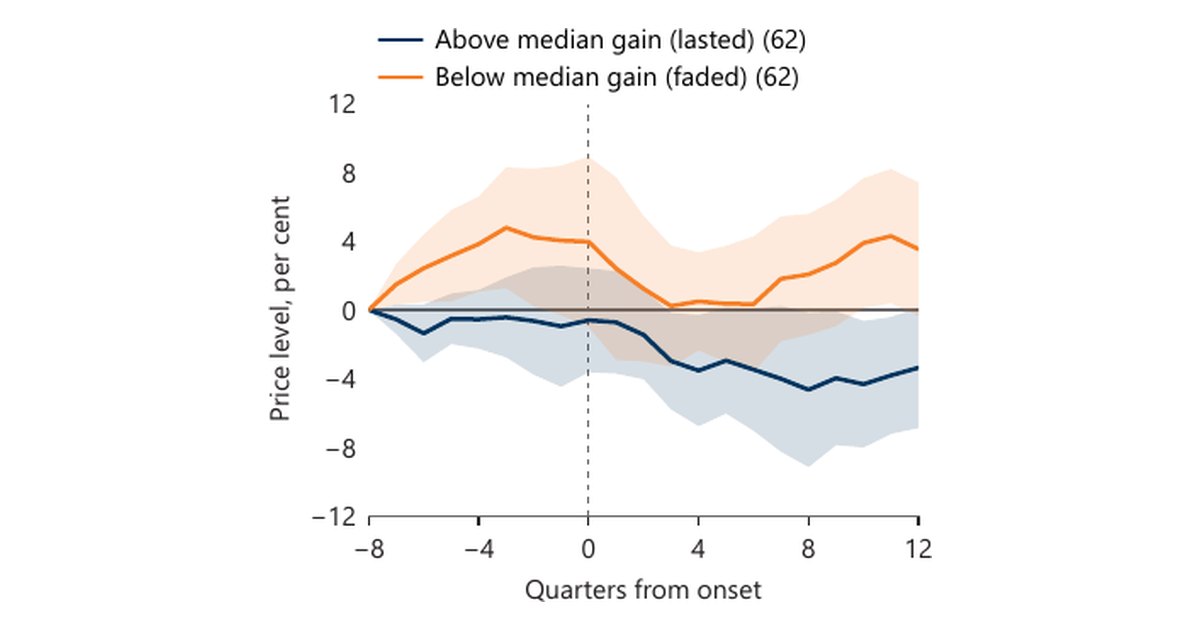
A Fifth of the Gain: Prices Stayed Lower After Productivity Booms Whose Gains Lasted
A St. Louis Fed post finds that relative producer price inflation dips after an industry's productivity boom, which some read as a preview of what artificial intelligence could do to prices. Rebuilt from the same public data and read as a price level, much of the dip undoes an earlier run-up. On average, prices stayed lower after the booms whose gains lasted, by about a fifth of the gain, but nearly half of the booms left no lasting gain.
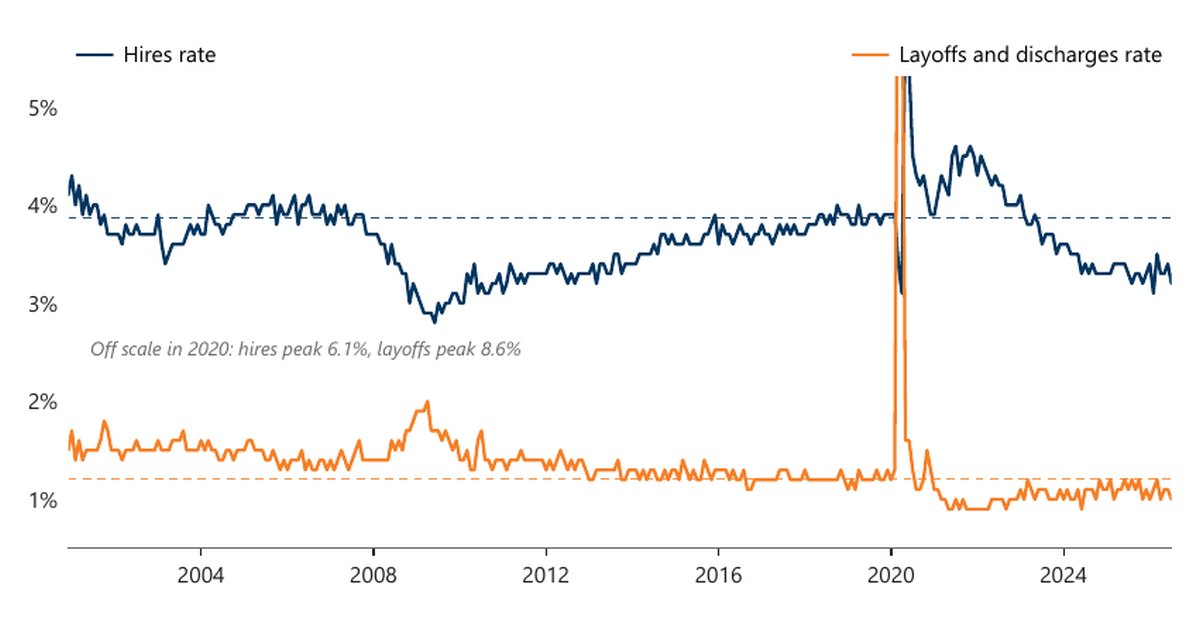
Paid in Time: Unemployment Is Not Rising Much, It Is Lasting Longer
Hiring has fallen well below its pre-pandemic rate and layoffs have not risen to meet it, so the unemployment rate has moved only 0.46 points since 2019. The monthly flows show where the adjustment went: entries into unemployment are close to unchanged while exits to work have fallen, so spells last longer. Most of the small rise in the rate is people who have now been out of work for six months or more.
Latest writing
All posts
Assessing the $1.8 Trillion Federal Deficit on the U.S. Dollar’s Reserve Currency Status
Explores the implications of the $1.8 trillion federal budget deficit on the US Dollar's global reserve status.

Are Financial Conditions Actually Tight?
With stocks at near highs and spreads tight in high yield markets, we explore whether financial conditions are truly restrictive.

Previewing Fed Policy Impact on Financial Sector Performance
Previews the timing of interest rate cuts and their impact on net interest margins, credit demand, and financial sector fundamentals.
Projects
All projects
Predicting Next Month's Unemployment Rate
Sentiment and language features from FOMC meeting minutes predict the next month's unemployment rate through NLP-driven feature engineering
- Python
- Streamlit
- scikit-learn
- NLP

Economic Tracker Dashboard
Real-time county-level tracking reveals uneven economic recovery across U.S. metro areas post-pandemic
- Python
- Streamlit
- Pandas
- Plotly

Predicting Median Real Estate Prices in Select US Cities
SARIMA models with automatic parameter selection forecast median home prices across 7 U.S. metros, validated by walk-forward backtesting
- Python
- Streamlit
- statsmodels
- SARIMA

NFL Big Data Bowl
Tackle acceleration is the strongest predictor of successful NFL tackles, more important than closing speed
- Python
- scikit-learn
- Pandas
- Matplotlib
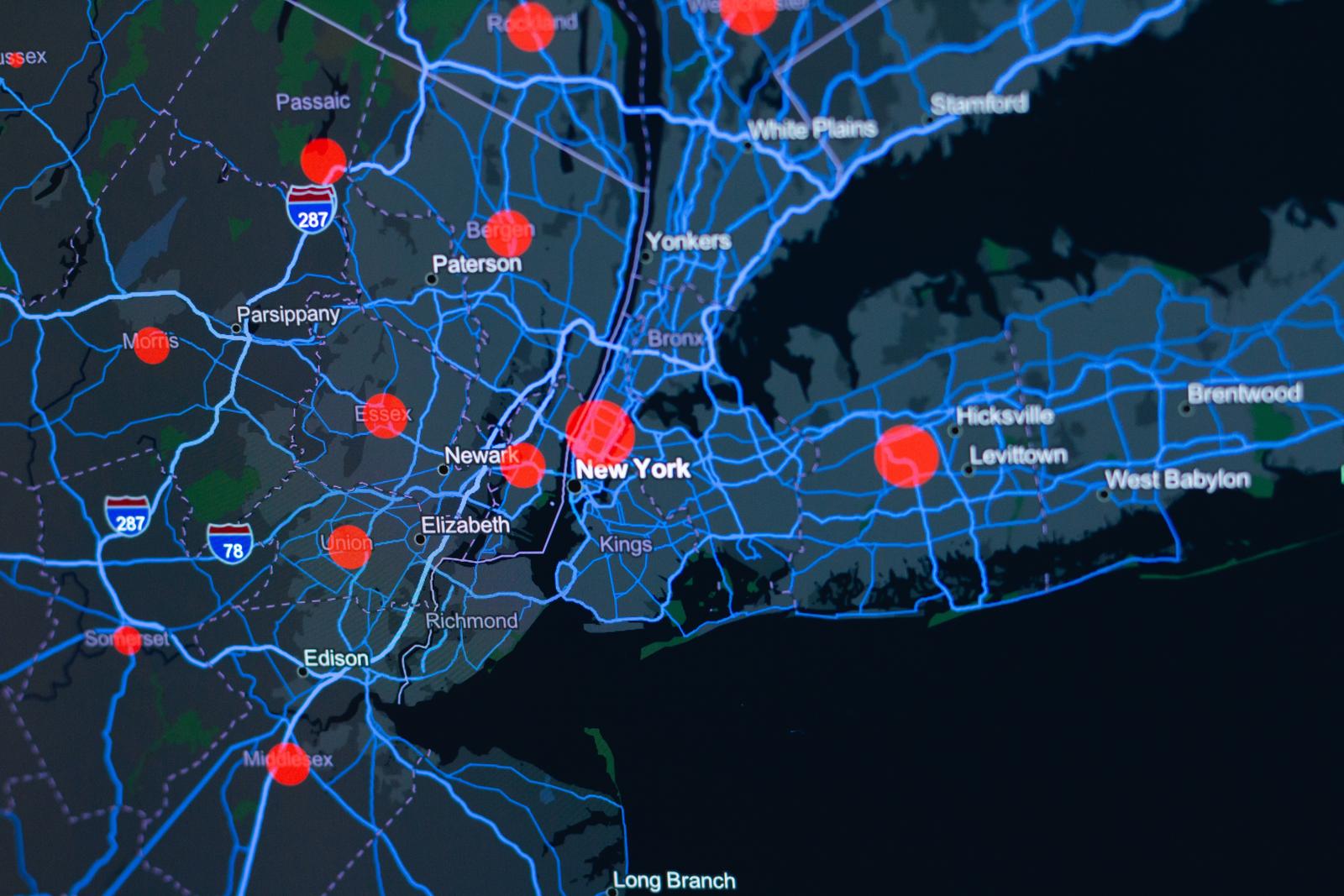
Real Estate Heatmap Dashboard
Interactive dashboard analyzing 1,262 neighborhoods across 7 U.S. metros with heatmaps, rankings, and market velocity analysis
- Python
- Pandas
- Streamlit
- Plotly

Student Dropout Prediction
CatBoost model predicts student dropout with 89% accuracy, identifying marital status and nationality as strongest risk factors
- Python
- CatBoost
- SMOTE
- scikit-learn